- No. 45 N20 Road, Long Phuoc Ward, Ho Chi Minh City
- Admin@CTCinternimex.com


- Gợi ý từ khóa:
Export agricultural products, wood export, coffee export, …


Data-Driven Sourcing: Inside Vietnam’s Mega Rice Production Zones for B2B Buyers
In today’s volatile agricultural market, grain procurement managers face a double-edged sword: fluctuating freight rates and unpredictable crop yields. For international food factories and tier-1 grain distributors, relying on brokers is no longer a sustainable strategy. The industry is rapidly shifting toward direct-from-origin sourcing.
As the world's leading hub for premium fragrant and long-grain varieties, Vietnam has become a primary target for large-scale rice purchasing. However, to secure a resilient B2B rice supply, buyers must look beyond the ports of Ho Chi Minh City and understand the specific regional dynamics where the grain is grown and milled.
Here is an analytical breakdown of Vietnam's top high-yield rice production zones that every international bulk buyer should short-list.
1. The Long Xuyen Quadrangle: The Engine Room for Bulk White & Glutinous Rice
If your supply chain demands massive volume with consistent milling specifications, the Long Xuyen Quadrangle (spanning An Giang and Kien Giang provinces) is the most critical region to analyze.
- The Agribusiness Landscape: Powered by the nutrient-dense alluvial soils of the upper Mekong River branches, this region yields millions of tons annually across three continuous crop cycles.
- Commercial Fit: This area is the backbone for standard export-grade rice (5% to 25% broken white rice) and high-grade glutinous (sticky) rice.
- The B2B Advantage: Because this zone holds Vietnam’s highest concentration of mega-milling complexes, suppliers here can easily absorb 500+ FCL (Full Container Load) orders without bottlenecking the shipping schedule.
2. The Plain of Reeds (Dong Thap Muoi): The Fragrant Rice Capital
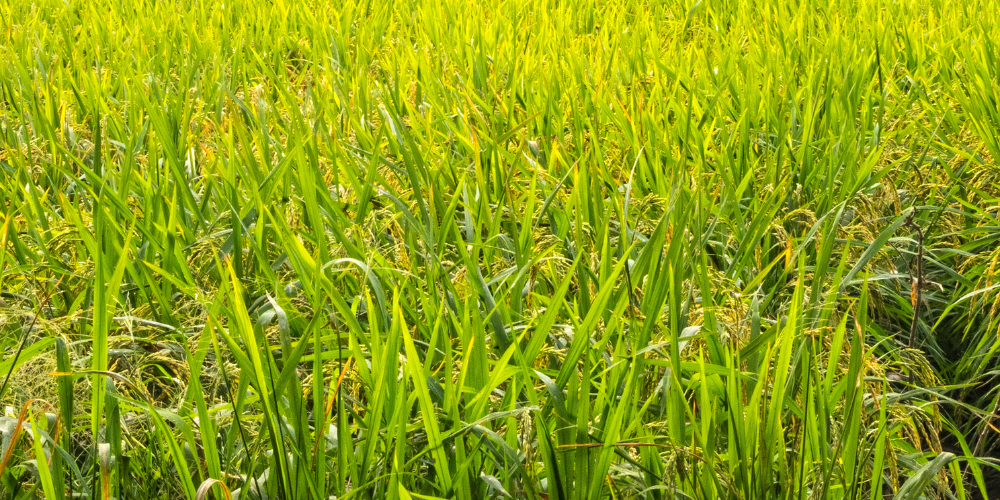
For buyers targeting premium retail markets where grain aroma, texture, and visual uniformity dictate the price, the Plain of Reeds (encompassing Dong Thap, Long An, and Tien Giang) is the premier sourcing destination.
- The Agribusiness Landscape: The unique micro-climate and controlled water management systems here make it ideal for cultivating high-value aromatic paddy.
- Commercial Fit: This is the birthplace of global favorites like Jasmine rice, Dai Thom 8 (DT8), and OM5451.
- The B2B Advantage: Mills in this region are highly specialized in optical sorting and grading tech. Furthermore, the extensive network of river canals allows cost-efficient barge transit directly to deep-sea container terminals, keeping FOB costs highly competitive.
3. The Coastal Ca Mau Peninsula: The Ecosystem for Premium ST Varieties
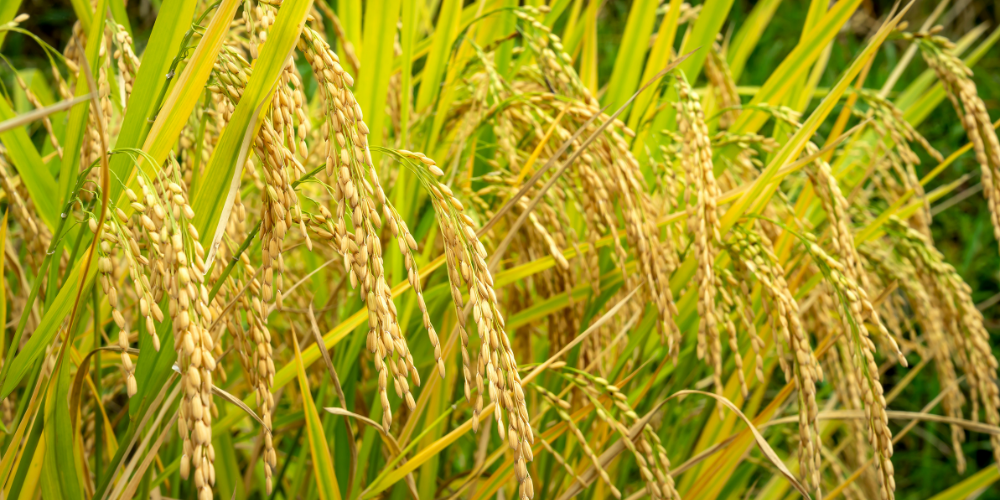
As global consumer preferences lean heavily toward organic and sustainable agriculture, the coastal strip of Sóc Trăng and Bac Lieu provinces has emerged as a high-value sourcing hub.
- The Agribusiness Landscape: This region utilizes a strict "rice-shrimp" rotational farming model. Rice is planted in the rainy season when the water is fresh, and shrimp are raised in the dry season when brackish water enters the fields.
- Commercial Fit: This eco-system produces the world-renowned ST24 and ST25 varieties (voted among the World's Best Rice).
- The B2B Advantage: Because the fields coexist with sensitive shrimp populations, chemical fertilizer and pesticide usage is strictly limited. For international distributors looking to clear stringent FDA, EU, or Japanese chemical residue tests, this region offers the safest bets for OEM/Private Label packaging.
Mitigating Risk: What to Verify Before Signing a B2B Rice Contract
When transitioning to direct sourcing from Vietnamese origins, ensure your local partner checks three structural boxes:
Advanced Quality Control (QC) Infrastructure
A reliable rice exporter must do more than buy paddy; they must possess modern color sorters and moisture control systems to prevent chalky kernels, yellow grains, and premature spoilage during long sea transits.
Documentary Flawlessness
Customs delays at destination ports can completely erase profit margins. Your supplier must have a proven track record of issuing flawless shipping documents, including the Bill of Lading, Phytosanitary Certificate, and Official Certificate of Origin (C/O).
Strategic Partnership
If you are looking to streamline your procurement, it is highly recommended to partner with a leading asset-backed Vietnamese supplier who controls the supply chain from the Mekong Delta fields straight to the port.
Learn more here: Trends in Bulk Rice Sourcing from Vietnam: Key Export Varieties for B2B Buyers

Admin
 Data-Driven Sourcing: Inside Vietnam’s Mega Rice Production Zones for B2B Buyers
Admin
https://pos.nvncdn.com/f50e22-177505/store/20250801_V0TB7mvV.png?v=1754041486
Data-Driven Sourcing: Inside Vietnam’s Mega Rice Production Zones for B2B Buyers
Planning to import rice in bulk? Explore the strategic advantages of Vietnam's top rice production zones and learn how to optimize your B2B supply chain.
Chia sẻ:
Bài viết mới nhất




Bình luận