- No. 45 N20 Road, Long Phuoc Ward, Ho Chi Minh City
- Admin@CTCinternimex.com



- Gợi ý từ khóa:
Export agricultural products, wood export, coffee export, …


Supply Chain Resilience: Mitigating Cashew Rancidity Risks in Bulk B2B Sourcing
For global procurement directors, industrial snack manufacturers, and large-scale nut distributors, navigating the global agro-commodity market is a continuous exercise in risk management. In the premium plant-based and healthy snack sectors, product freshness is the ultimate metric of brand equity. Yet, one biological vulnerability continuously threatens international margins: cashew rancidity.
Cashew kernels are structurally dense in monounsaturated and polyunsaturated fatty acids. While these healthy lipids drive consumer demand, they also render the product highly sensitive to environmental catalysts. For global wholesalers looking to import Vietnamese cashew kernels in bulk, receiving a multi-container shipment compromised by oxidative or hydrolytic spoilage results in catastrophic financial write-offs and production line standstills.
As global importing hubs consolidate their vendor networks, understanding the food science behind lipid preservation is paramount. Minimizing cargo degradation requires migrating away from traditional trading brokers and aligning with an industrialized Vietnamese cashew nut factory that integrates computerized biochemistry controls into mass logistics.
1. The Chemistry of Transit Degradation
To secure a resilient supply chain, procurement teams must analyze what occurs inside a container during long-haul ocean transits, which typically last between 30 to 45 days. Cashew rancidity accelerates via two distinct chemical pathways:
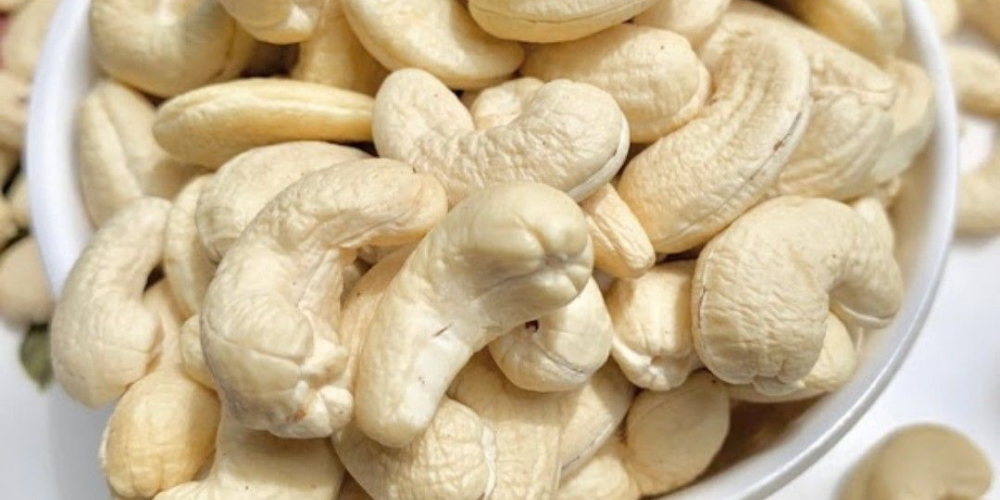
- Oxidative Degradation: This occurs when the natural oils in white cashew kernels are exposed to ambient oxygen and elevated temperatures trapped within standard containers. The resulting chemical reaction breaks fatty acids down into volatile aldehydes and ketones, inducing a distinct stale, paint-like odor.
- Hydrolytic Degradation: This pathway is catalyzed by moisture. If an exporter fails to achieve uniform moisture extraction during the post-harvest drying phase, internal moisture reacts with triglycerides, releasing free fatty acids (FFA) and causing a bitter taste profile.
2. Structural Bottlenecks for Food Manufacturers
For tier-1 food brands and bulk distributors, the financial repercussions of receiving rancid cargo extend far beyond the raw material cost:
- Automated Factory Downtime: Rancid inputs alter the flavor matrix of automated food formulations (such as cashew milk or confectionery spreads), forcing immediate facility shutdowns and costly decontamination cycles.
- Regulatory Border Rejections: Global customs authorities enforcing strict European Food Safety Authority (EFSA) or US FDA thresholds will instantly flag and reject shipments exceeding permissible Peroxide Values (PV) or aflatoxin levels.
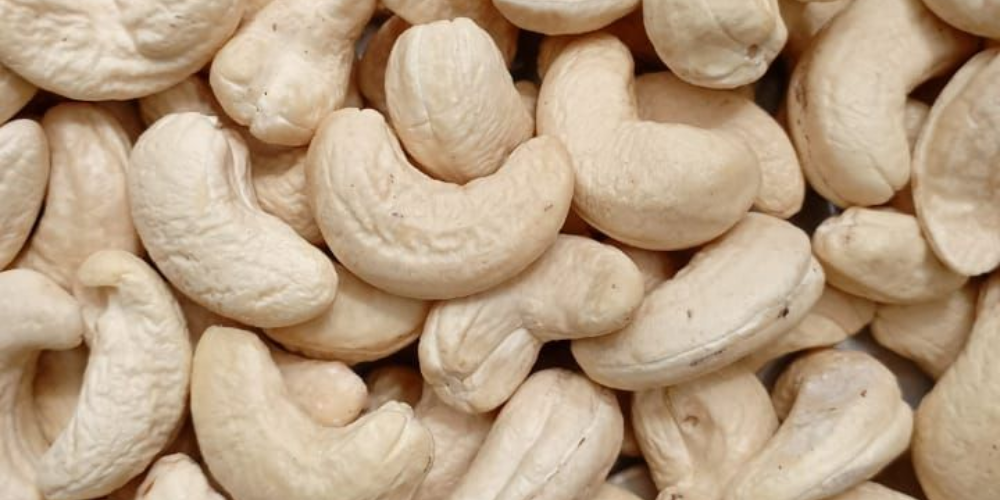
- Eroded Margin Arbitrage: The operational costs associated with cross-sorting or destroying damaged cargo at the destination port completely erases the financial benefits gained from competitive Vietnamese cashew export prices.
3. Industrialized Preservation Safeguards by CTC Internimex
To eliminate cargo variance and ensure shelf-life stability, Vietnam cashew suppliers must replace manual, volatile processing methods with automated standardization. CTC Internimex has engineered its processing infrastructure to systematically neutralize rancidity variables.
Hermetic Moisture Extraction
Moisture control is the baseline of lipid preservation. CTC Internimex utilizes multi-stage, automated industrial drying tunnels to lock internal moisture content strictly between 3% and 4.5%. This precise dập tắt (extinction) of moisture stops hydrolytic enzymes from activating while keeping the kernels structurally intact during mechanical handling.
High-Barrier Vacuum Gas-Flushing
To neutralize oxidative vectors, oxygen must be removed from the equation. The standard B2B export packaging at CTC Internimex features multi-layer, high-barrier vacuum bags (22.68kg / 50lbs) flushed with food-grade inert Nitrogen gas. For high-volume industrial accounts, custom-engineered Jumbo bags are deployed with identical gas-flushing protocols, creating a zero-oxygen environment that withstands equatorial climate shifts.
Climate-Controlled Chilled Logistics
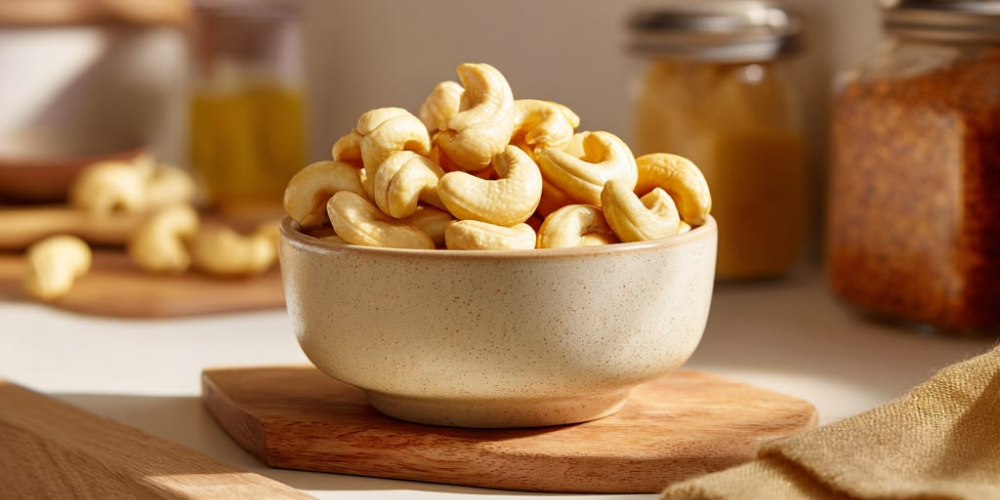
Before shipping, processed inventory is staged within a centralized chilled storage facility, strictly monitored at 10°C to 15°C with relative humidity kept under 60%. This cold-link step completely halts the self-oxidation of cashew lipids and eliminates the risk of insect infestation. Furthermore, our logistics division coordinates real-time weather tracking to deploy refrigerated containers (Reefer containers) for highly sensitive transit corridors, ensuring your W320 cashew nuts wholesale order arrives with a factory-fresh crunch.
4. Institutional Compliance and Verification
In global B2B trade, technical claims must be backed by transparent documentation. The processing facilities of CTC Internimex operate under strict international food safety frameworks, maintaining active ISO 22000, HACCP, and BRCGS certifications.
To ensure absolute contractual compliance before any financial tranches are finalized, we provide full access to independent third-party inspection agencies (SGS, Bureau Veritas, or Intertek) to run sensory, moisture, and chemical analyses (PV, FFA, Aflatoxin) prior to container sealing.
In the modern food distribution landscape, operational consistency is the ultimate currency. A cheap pre-shipment sample is valueless if the bulk cargo cannot survive the ocean transit. By bypassing unverified intermediate agents and forming a direct partnership with CTC Internimex, global enterprises secure a highly scalable, tech-backed supply chain that delivers pure quality, absolute compliance, and maximized profitability.

Admin
 Supply Chain Resilience: Mitigating Cashew Rancidity Risks in Bulk B2B Sourcing
Admin
https://pos.nvncdn.com/f50e22-177505/store/20250801_V0TB7mvV.png?v=1754041486
Supply Chain Resilience: Mitigating Cashew Rancidity Risks in Bulk B2B Sourcing
Learn how CTC Internimex eliminates cashew rancidity in bulk sourcing through high-barrier vacuum packaging, precise moisture control, and chilled storage.
Chia sẻ:
Bài viết mới nhất




Bình luận