- No. 45 N20 Road, Long Phuoc Ward, Ho Chi Minh City
- Admin@CTCinternimex.com


- Gợi ý từ khóa:
Export agricultural products, wood export, coffee export, …


Global Sourcing Trends: Why Vietnamese Rice is Winning Over International B2B Importers
In the global agro-commodity supply chain, selecting a country partner that offers both massive production capacity and uncompromising quality consistency is a strategic milestone for food processing factories and wholesale distributors. In recent years, the market has witnessed a significant shift as major global buyers increasingly focus their sourcing strategies on Southeast Asia.
So, why has Vietnamese rice captured global demand, and why has it become the top priority for international enterprises looking to import Vietnamese rice in bulk? Here is an in-depth analysis from industry experts.
1. A Premium Leap: From "Budget Grain" to "World's Best"
Decades ago, Vietnam was primarily known for exporting high volumes of standard white rice with a price-competitive advantage. However, the global landscape has completely transformed. Vietnam has executed a successful revolution in its agricultural value chain through advanced bio-R&D and targeted grain breeding programs.
- Global Recognition: The fact that Vietnam's ST25 variety has repeatedly outclassed tough competitors to win the "World's Best Rice" award marked a turning point for global procurement mindsets.
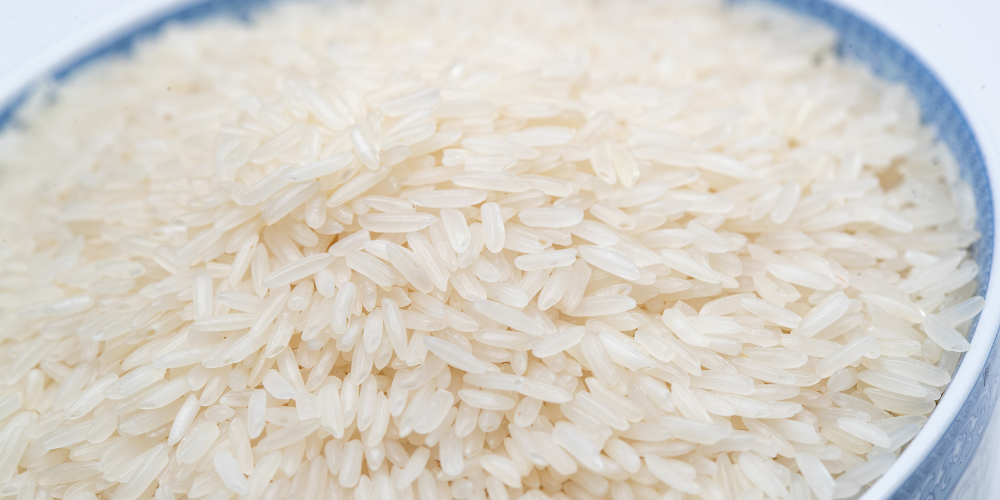
- Unique Flavor Profile: Premium fragrant varieties like ST24, ST25, Jasmine, and DT8 boast a distinct soft texture, a natural aroma of pandan and young rice, and a unique ability to remain fluffy even when cooled. This allows international distributors to effortlessly penetrate high-end restaurant chains and major supermarket networks across the US, EU, and Japan.
2. Stringent Cultivation Standards: Turning Technical Barriers into Strengths
For international food manufacturers, food safety compliance and chemical residue limits are critical, non-negotiable factors. The Vietnamese rice sector has adapted swiftly to this global shift toward green and clean consumption.
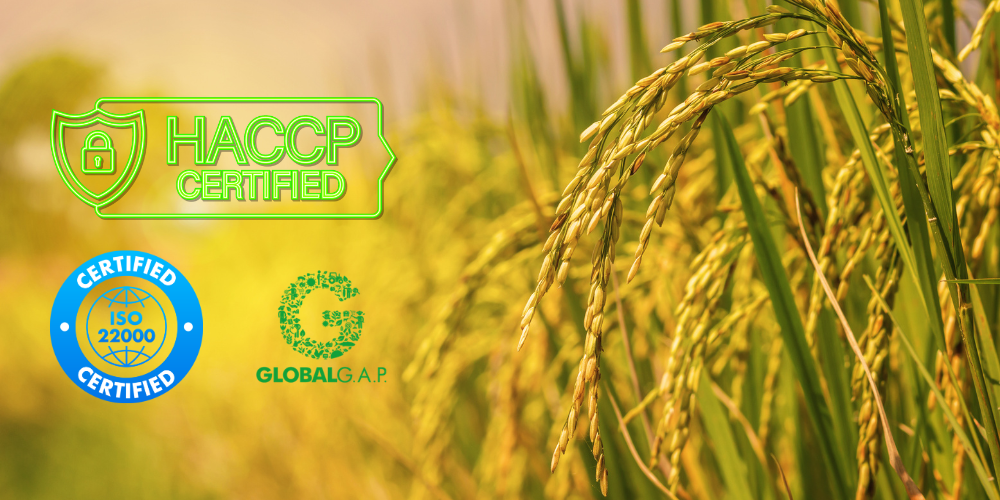
Massive farming regions in the Mekong Delta are now strictly mapped out to comply with international standards, including GlobalGAP, VietGAP, and certified Organic farming. The integration of sustainable ecological models, such as the "rice-shrimp" rotation, yields ultra-clean grains that easily pass the strict import inspections of the US FDA and European EFSA. Furthermore, it addresses the demanding ESG (Environmental, Social, and Governance) criteria that multinational corporations actively seek in a Vietnam rice suppliers.
3. Advanced Processing Technology: The Key to 99.9% Purity
A major reason why foreign manufacturers prioritize their decision to source rice from Vietnam is the immense technological capability of domestic milling and processing plants.
Moving completely away from traditional, outdated methods, Vietnam’s leading exporters have heavily invested in state-of-the-art processing lines imported from Japan and Europe:
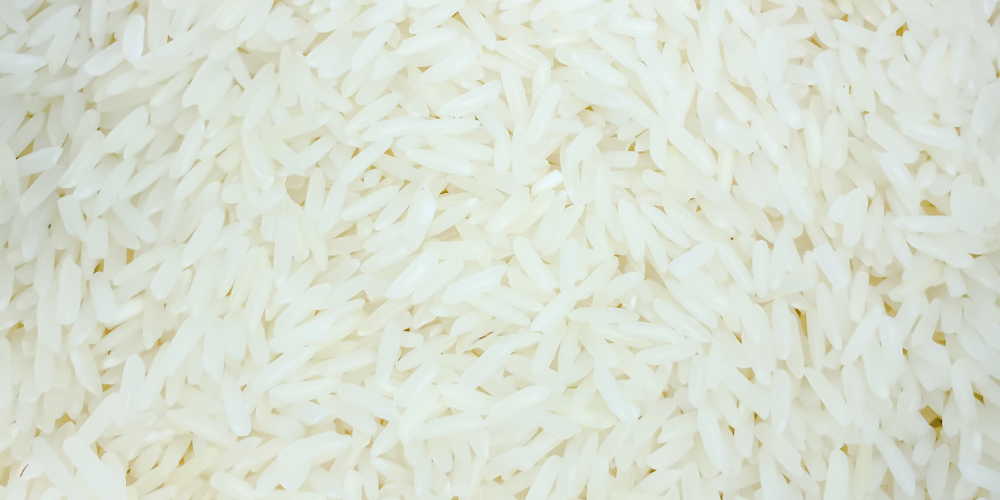
- Optical Color Sorters: Advanced laser technology removes discolored grains, chalky kernels, and foreign matter with absolute precision.
- Controlled Packaging & Metal Detection: Fully automated, enclosed systems coupled with vacuum-packaging technology preserve the grain's integrity for 12 to 24 months. This drastically mitigates the risks of spoilage, moisture, or insect infestation during long-haul ocean freight.
4. Free Trade Agreements (FTAs) and Optimized Cost Efficiency
Why do global buyers choose Vietnamese rice over other major exporting nations when quality is on par? The answer lies in the highly competitive Vietnamese rice export prices, backed by a reliable triple-cropping system and unprecedented tariff advantages.
Vietnam stands as a strategic hub with an expansive network of next-generation FTAs:
- The EVFTA (EU-Vietnam Free Trade Agreement): Grants zero-tariff quotas for Vietnamese long-grain white rice and premium fragrant rice, creating a massive landed-cost advantage in the European Union market.
- The CPTPP and RCEP Agreements: Streamline customs procedures, lower trade barriers, and optimize logistics pipelines for importers across the Asia-Pacific region and the Americas.
Expert Advice for B2B Importers Sourcing from Vietnam
Today, Vietnamese rice is far more than a staple commodity—it is a lucrative business solution that delivers high profit margins and absolute supply security for international distribution networks.
However, to ensure that large-scale contracts are executed seamlessly from the factory floor to the destination port, partnering with an accredited supplier with direct export capabilities and international certifications (HACCP, ISO, BRC) is vital.
Learn more here: Data-Driven Sourcing: Inside Vietnam’s Mega Rice Production Zones for B2B Buyers

Admin
 Global Sourcing Trends: Why Vietnamese Rice is Winning Over International B2B Importers
Admin
https://pos.nvncdn.com/f50e22-177505/store/20250801_V0TB7mvV.png?v=1754041486
Global Sourcing Trends: Why Vietnamese Rice is Winning Over International B2B Importers
Discover why global food factories and wholesalers import Vietnamese rice in bulk. Explore the competitive export prices, premium quality (ST25), and FTA benefits.
Chia sẻ:
Bài viết mới nhất




Bình luận